Connect with us

Sports

The history and global spread of rhythmic gymnastics

Published

on

0%

The history and global spread of rhythmic gymnastics
1 / 10

Which event, introduced in 1996 at the Atlanta Olympics, expanded the global appeal of rhythmic gymnastics?

Next Question

2 / 10

Which Asian country has a strong tradition in group rhythmic gymnastics, known as 'Fairy Japan'?

Next Question

3 / 10

What is a key characteristic of rhythmic gymnastics routines, distinguishing it from artistic gymnastics?

Next Question

4 / 10

Which country has dominated Olympic rhythmic gymnastics, winning 10 out of 17 gold medals since 1984?

Next Question

5 / 10

Who was the first Olympic rhythmic gymnastics individual all-around champion in 1984?

Next Question

6 / 10

Which European country developed a rival school of rhythmic gymnastics in the 1950s, emphasizing risk and aesthetics?

Next Question

7 / 10

Which apparatus is no longer used in Olympic rhythmic gymnastics competitions since 2008?

Next Question

8 / 10

When did rhythmic gymnastics first become an Olympic event?

Next Question

9 / 10

Which international body officially recognized rhythmic gymnastics as a sport in 1962?

Next Question

10 / 10

In which country did rhythmic gymnastics first emerge as a formal sport in the 1930s?

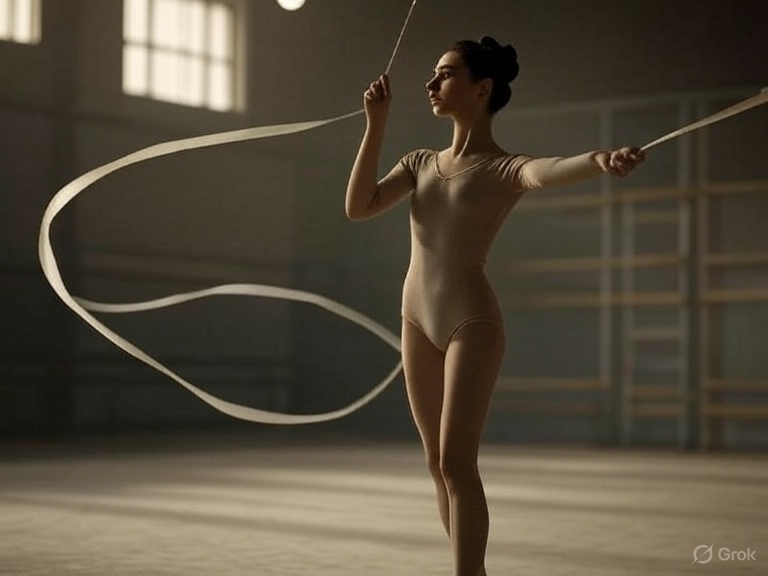
Did you know that rhythmic gymnastics, known for its graceful blend of ballet, gymnastics, dance, and apparatus manipulation, traces its roots back to the early 20th century in Eastern Europe?

It began to take shape in the 1920s and 1930s, particularly in Russia, where it was initially developed as rhythmic and aesthetic gymnastics.

The sport’s first official competition was held in 1948 in the Soviet Union, and it quickly captivated audiences with its unique combination of creativity and athleticism.

By 1963, the first World Championships were held in Budapest, marking a pivotal moment for its global recognition.

Rhythmic gymnastics became an Olympic sport in 1984 in Los Angeles, further cementing its international appeal.

Today, it is a dynamic and popular discipline seen in numerous international competitions, celebrated for its artistic routines that seamlessly blend technical precision with expressive choreography.

Advertisement

How did you do on the quiz? Share your results and thoughts in the comments below!

Advertisement
Click to comment

Leave a Reply

Your email address will not be published. Required fields are marked *