General
Which number is considered unlucky in many Western cultures?

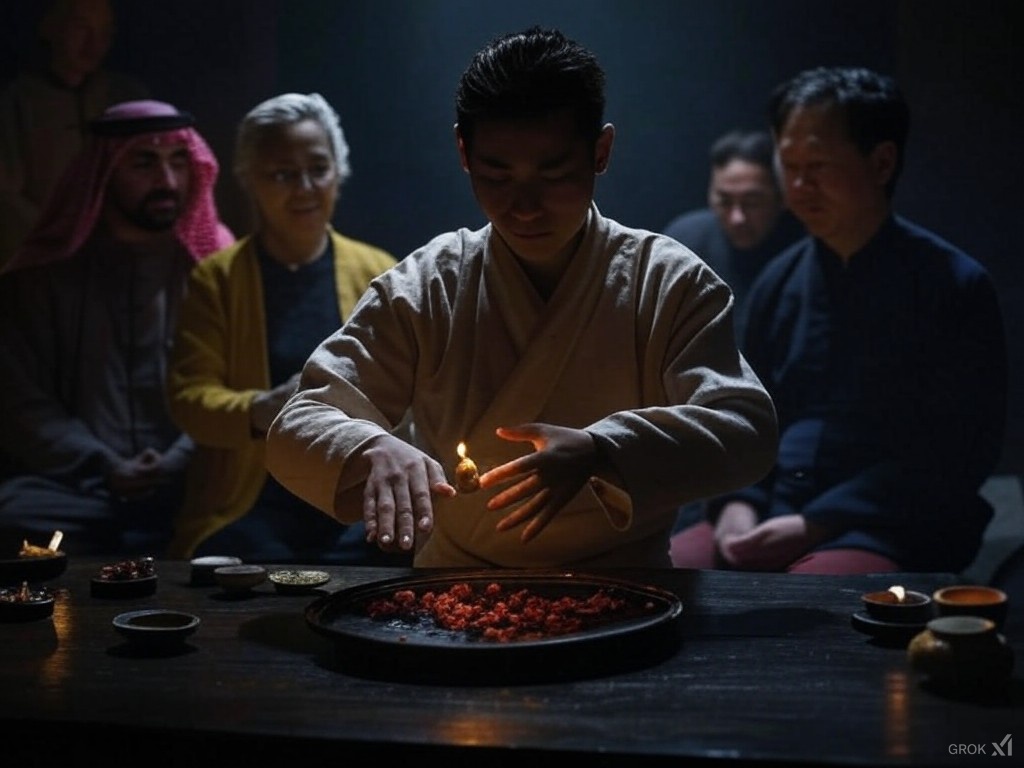
Did you know that superstitions, despite their diverse cultural origins, often serve a similar psychological purpose around the world?
In many societies, superstitions provide a sense of control or predictability in uncertain situations.
For instance, carrying a lucky charm or avoiding walking under ladders can reduce anxiety by offering a feeling of influence over an unpredictable environment.
Interestingly, research has shown that engaging in superstitious behaviors can actually boost confidence and performance.
A German study found that participants who were allowed to bring a lucky charm performed better on memory and motor tasks compared to those whose charms were taken away.
This is because the belief in these rituals can enhance a person’s self-efficacy, making them feel more competent and in control.
Thus, superstitions are not just relics of the past; they are adaptive behaviors that reflect our innate desire to bring order to chaos.
How did you do on the quiz? Share your results and thoughts in the comments below!

Pete
February 14, 2025 at 6:44 pm
I met my wife on Fri 13th in ’86 and we’re still very happily married!