Connect with us

Food

The history and global variations of pickled foods

Published

on

0%

The history and global variations of pickled foods
1 / 10

Which North American pickled dish, made from green tomatoes, became popular during the Great Depression?

Next Question

2 / 10

What was the primary purpose of pickling in ancient times, as practiced by the Chinese around 1100 BCE?

Next Question

3 / 10

Which pickled food, popular in the Middle East, is made from turnips dyed pink with beet juice?

Next Question

4 / 10

What pickling technique, common in South Asia, uses oil and spices to preserve mangoes in dishes like achar?

Next Question

5 / 10

In which country is pickled herring, often served with sour cream or mustard, a traditional festive dish?

Next Question

6 / 10

Which Japanese pickled dish, often served with sushi, is made from ginger and known as gari?

Next Question

7 / 10

What is the key ingredient in German sauerkraut, a pickled food dating back to the Middle Ages?

Next Question

8 / 10

Which pickling method, used in ancient Rome, involved fermenting fish to create a condiment called garum?

Next Question

9 / 10

What is the primary ingredient in Korean kimchi, a globally popular pickled dish?

Next Question

10 / 10

Which ancient civilization used pickling as a preservation method as early as 2400 BCE?

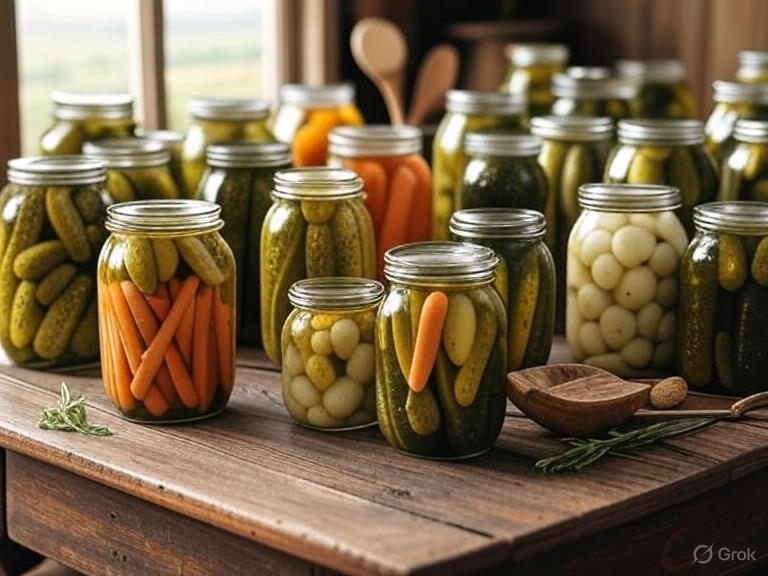
Did you know that pickling is one of the oldest methods of food preservation, with evidence dating back over 4,000 years to ancient Mesopotamia? This age-old technique has since traversed the globe, taking on diverse forms and flavors in each culture it touches.

For instance, in Korea, kimchi—a spicy, tangy mixture typically made from fermented cabbage and radishes—has been a staple for centuries, reflecting the country’s unique culinary heritage.

Meanwhile, in Eastern Europe and Russia, pickles are a beloved accompaniment to meals, with dill and garlic lending their distinctive flavors to cucumbers submerged in brine.

In India, a wide variety of fruits and vegetables, like mango and lime, are transformed into piquant pickles using an array of spices, showcasing the rich tapestry of Indian flavors.

These global variations highlight not only the versatility of pickling but also its essential role in preserving seasonal harvests and enhancing the taste and nutritional value of food across different cultures.

How did you do on the quiz? Share your results and thoughts in the comments below!

Advertisement
Advertisement
Click to comment

Leave a Reply

Your email address will not be published. Required fields are marked *